The Complete Guide
What Is El Camino de Costa Rica?
A community-built trail crossing the country coast to coast — this page covers the route, terrain, season, logistics and how to hike it.
- Distance
- 280 km
- Stages
- 16
- Typical duration
- 12–16 days
- Route
- Caribbean → Pacific
Where does it start and finish?
El Camino de Costa Rica begins on the Caribbean side of the country and finishes on the Pacific coast, climbing through the Cordillera de Talamanca in between. Exact trailhead and finish-point logistics for your specific departure are confirmed when you book — transport from San José to the Caribbean starting point is included in every program.
Terrain and elevation
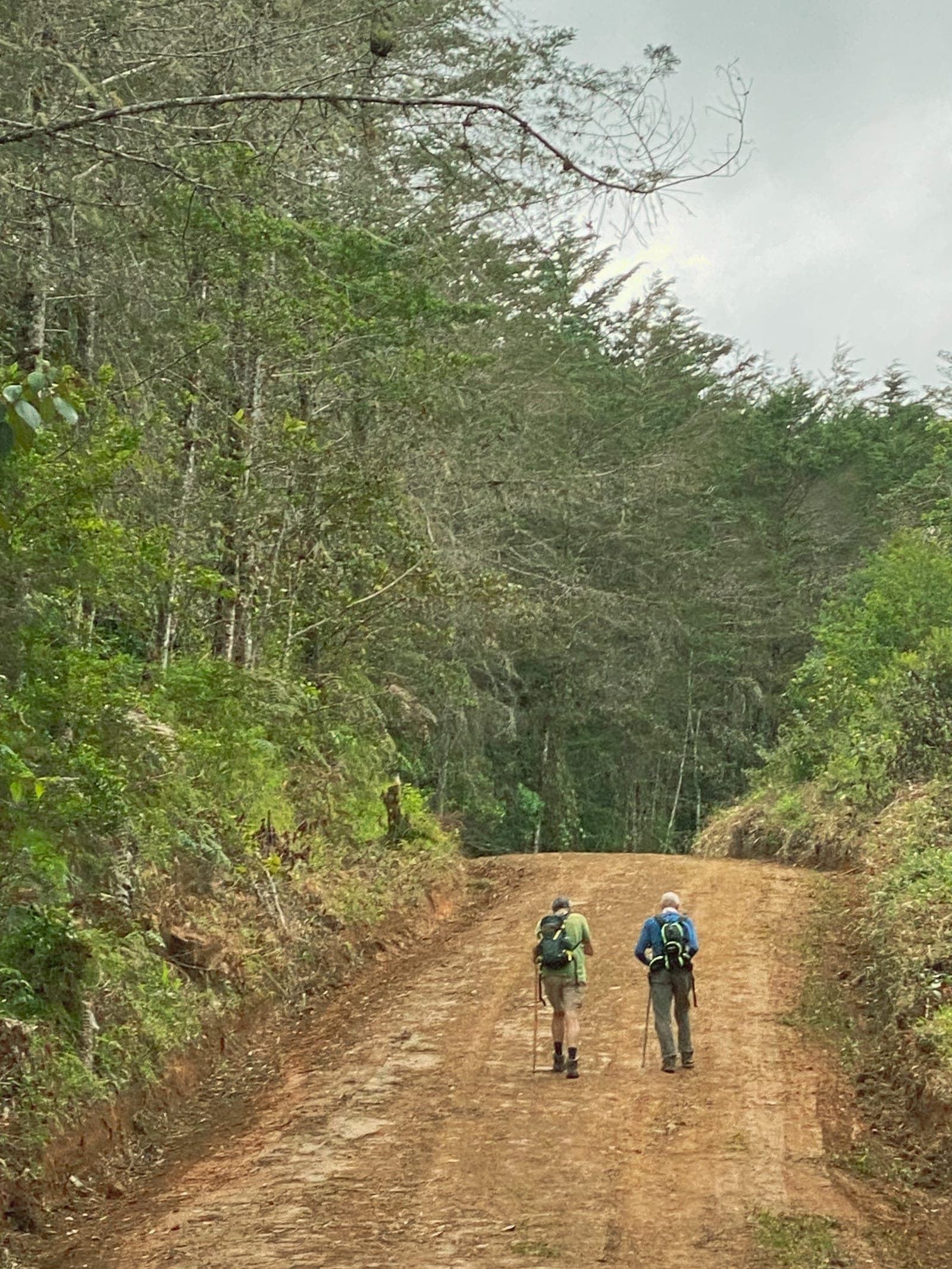
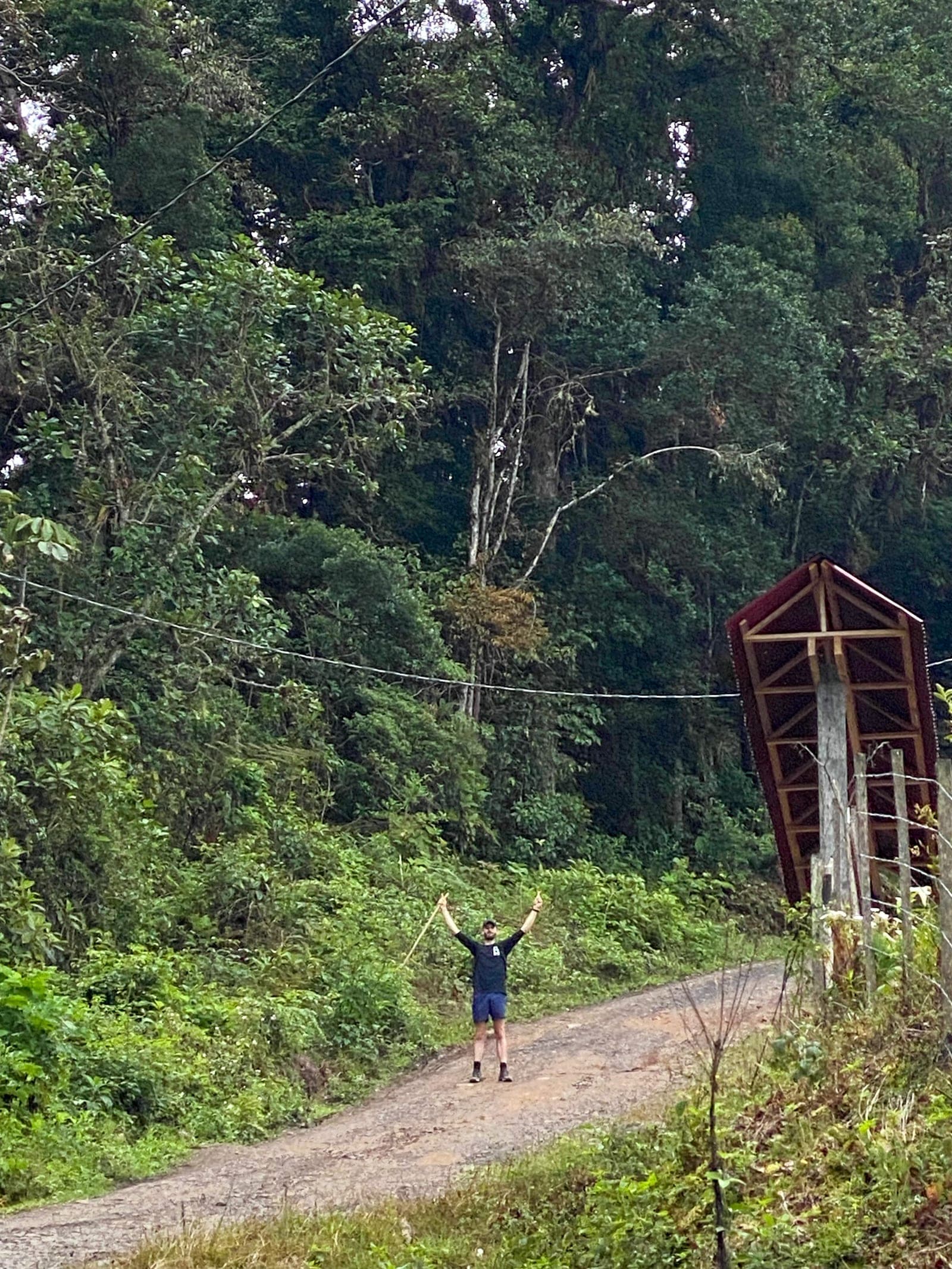
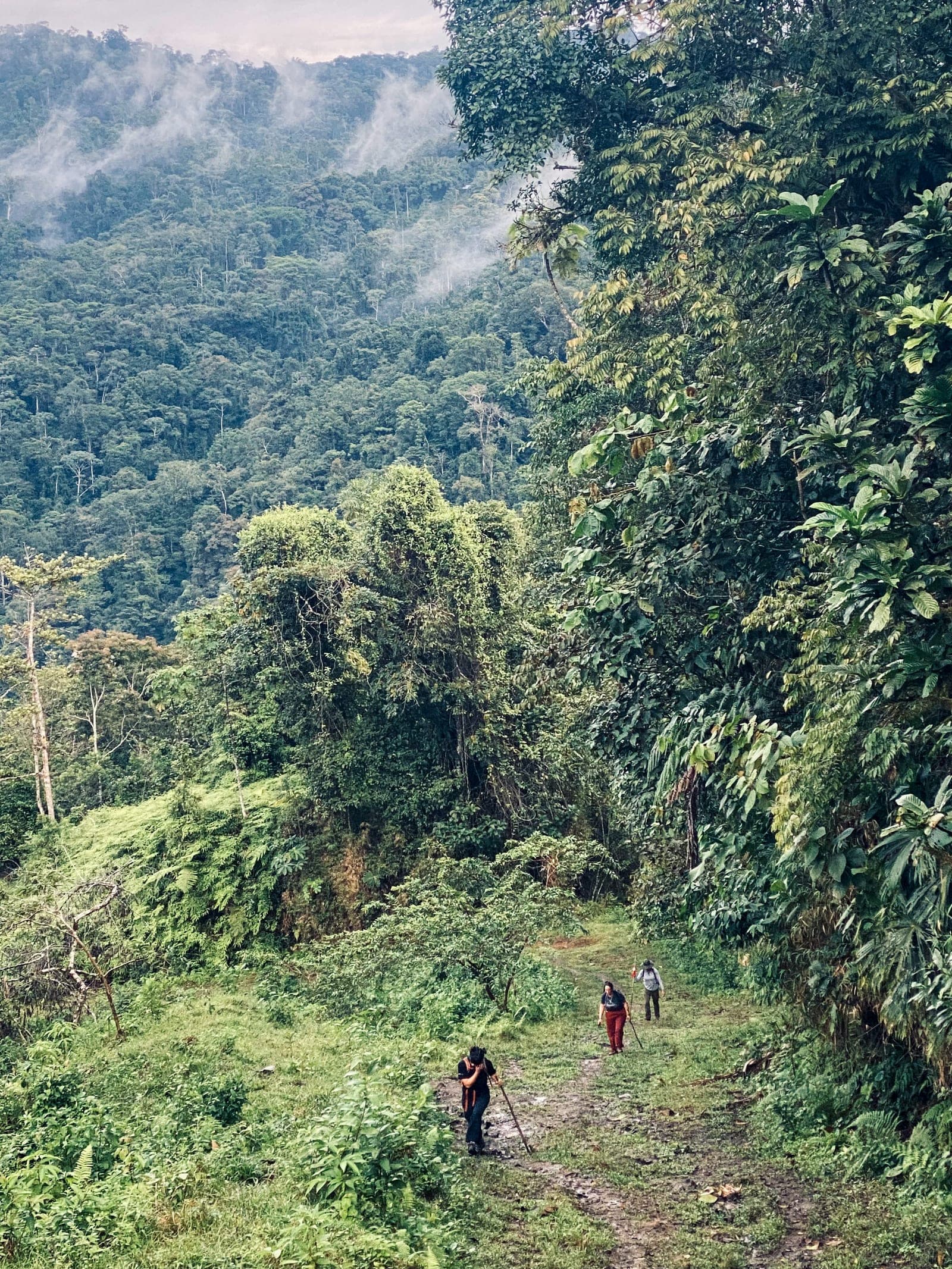
The route moves through Caribbean lowland rainforest, up into the cloud forest and mountains of the Cordillera de Talamanca — Costa Rica's highest and most rugged mountain range — before descending through coffee country toward the Pacific. Expect a mix of dirt roads, forest trail, and river crossings, with the most physically demanding stretches in the highland sections.
How difficult is it?
This is a genuine multi-day trek rather than a casual walk. Most days involve several hours of hiking on uneven terrain, and the mountain stages are the most demanding on the route. The 12-day program covers more distance per day than the 15 or 16-day versions, so the right program for you depends on your hiking experience and how much daily distance you're comfortable with. We ask about your background before confirming a booking so we can recommend the right fit.
Climate and best season
Costa Rica has a drier season roughly from December to April, and a wetter, greener season from May to November. You'll cross both the Caribbean and Pacific slopes on this trail, which have different rain patterns, so conditions vary along the route regardless of when you go. See our best time to hike guide for more detail.
Communities along the route
El Camino was built and is still maintained by the rural communities it passes through — from the Caribbean lowlands, through Indigenous territory and the highlands, to the coffee-growing areas closer to the Pacific. Most nights on a guided program are spent with local families and small rural lodges rather than hotel chains, which is as much a part of the experience as the landscapes.
Accommodation, food and logistics
Every guided program includes accommodation each night, three meals a day, and daily transport of your luggage between stages — you hike with a day pack, not a full expedition load. Certified hiking guides lead every departure, with local Indigenous guides brought in where the route requires it. Accident insurance and an evacuation protocol are included throughout.
What to pack
You'll need broken-in hiking footwear, rain protection, layers for both hot lowlands and cooler highland stages, and a daypack for the hours you're actually walking each day. See our full packing list for the complete rundown.
Choose how you hike it
Three guided programs cover the same 280 km crossing at different paces.
Frequently asked questions
What is El Camino de Costa Rica?+
A continuous, community-built hiking trail crossing Costa Rica coast to coast — roughly 280 km over 16 stages, passing through rainforest, the Cordillera de Talamanca, coffee-growing highlands and the rural communities that maintain the route.
How long is El Camino de Costa Rica?+
The trail itself covers about 280 km. Our guided programs complete the full crossing over 12, 15 or 16 days, depending on daily pace.
How difficult is El Camino de Costa Rica?+
It's a genuine multi-day trek with several hours of hiking a day on uneven terrain, including demanding stages through the mountains. The 12-day program covers more ground per day than the 16-day version, so fitness needed depends on which program you choose.
When is the best time to hike El Camino de Costa Rica?+
Costa Rica has a drier season (roughly December to April) and a wetter, greener season (May to November). See our dedicated best-time-to-hike guide for how that affects trail conditions.
Is El Camino de Costa Rica safe to hike?+
Yes, when guided. River crossings and remote stretches are why every program includes certified guides, accident insurance and an evacuation protocol.
Ready to choose your program?
Compare all three guided crossings, or tell us your dates and we'll help you pick.
Compare Tours